
Online Predator Catchers Lead To At Least Two Louisiana Arrests This Week
At least two Louisiana men have been arrested this week following separate investigations conducted by independent online predator-catching groups, bringing renewed attention to the increasingly popular and often controversial practice of livestreaming confrontations with suspected child predators.
The cases, which unfolded in Iberia Parish and Ascension Parish, quickly spread across social media after being livestreamed or posted online. While supporters credit the groups with helping identify alleged offenders and working alongside law enforcement, critics argue their tactics can sometimes complicate criminal investigations.
Two Separate Louisiana Cases Ended In Arrests
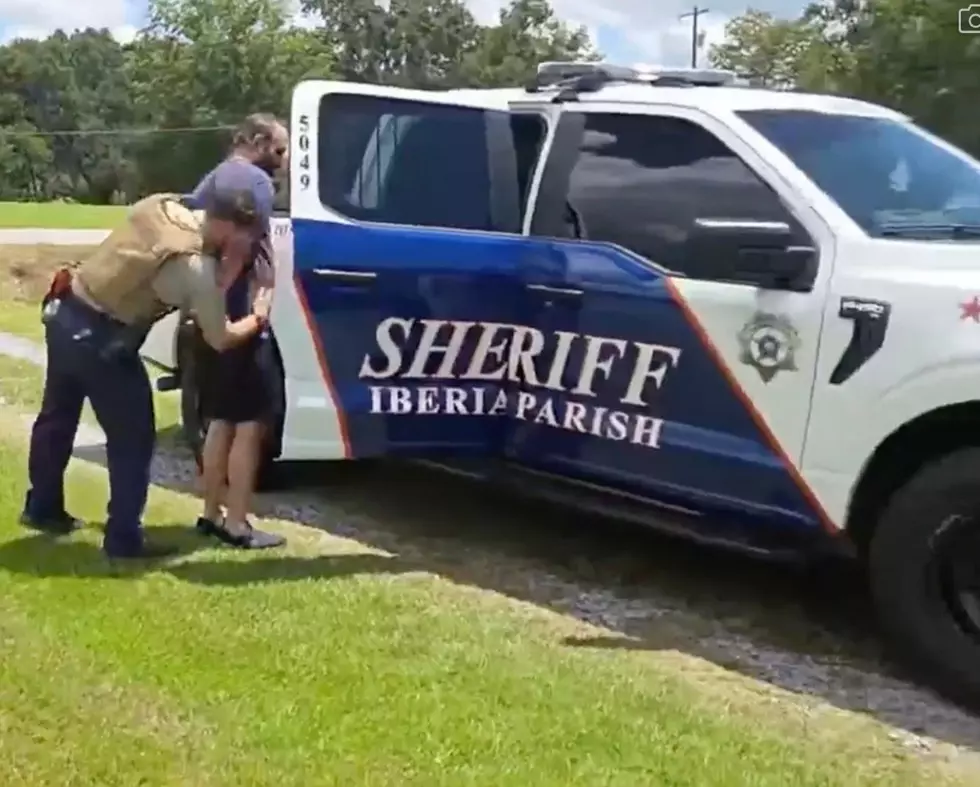
One of the most widely shared confrontations involved Brennen Albert, 37, of Loreauville.
The encounter was livestreamed by Predator Poachers, a group known for confronting adults they believe have arranged to meet underage children after communicating with online decoys.
During the full Kick livestream, Albert is shown discussing conversations with someone identified as "Regina," whom the group says was posing as an underage girl. He also discusses conversations that allegedly took place on other messaging platforms.
The Iberia Parish Sheriff's Office confirmed Albert was arrested on August 11, 2026. Authorities say the investigation remains ongoing.
Another Livestream Led To Charges In Ascension Parish
A second Louisiana case involved Robert Thomas Ferguson, 36, of Geismar.
The confrontation was posted by EDP Watch, another online predator catching group that publishes videos documenting similar investigations.
According to Ascension Parish booking records, Ferguson was arrested on August 10 and booked on felony charges of:
- Computer-Aided Solicitation of a Minor
- Indecent Behavior with Juveniles
The group's video alleges Ferguson believed he was meeting a 13-year-old child.
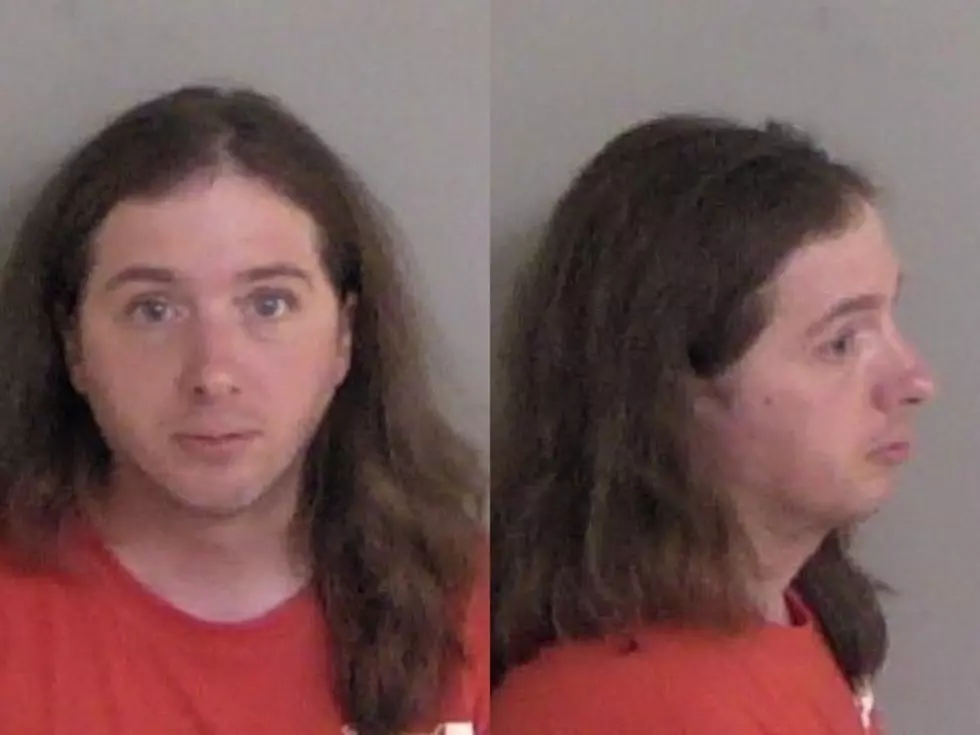
As with all criminal cases, Ferguson is presumed innocent unless proven guilty in court.
How Online Predator Catchers Operate
Groups like Predator Poachers and EDP Watch generally pose as underage children online before engaging in conversations with adults they believe are attempting to meet minors.
Members confront the individual in person while recording or livestreaming the interaction. Videos are then shared across multiple platforms, often generating hundreds of thousands of views.
Predator Poachers says its mission is to protect children and assist law enforcement. The organization says its investigations have contributed to arrests in all 50 states, convictions in 45 states and multiple life sentence cases.

Their Methods Continue To Divide Opinion
Although many viewers praise the groups for exposing suspected predators, others question whether civilians should be conducting these types of investigations.
Among the most outspoken critics is Chris Hansen, whose television investigations on To Catch a Predator made him one of the country's best-known figures in predator sting operations.
Hansen has repeatedly warned that independent confrontations can interfere with criminal investigations by compromising evidence, affecting search warrants or creating unnecessary risks before law enforcement has completed its work.
Several prosecutors and law enforcement agencies have expressed similar concerns over the years, emphasizing that successful prosecutions often depend on carefully collected digital evidence.
At the same time, Hansen has also faced criticism throughout his career, with some arguing his own televised sting operations blurred the line between investigative journalism, entertainment and law enforcement.
A Growing Online Trend
Regardless of where people stand on the tactics, there's little doubt these videos have found a massive audience.
Whether streamed live or posted afterward, predator-catching videos routinely spread across Facebook, Instagram, YouTube, Kick, TikTok and X, often reaching millions of viewers within days.
But beyond the viral views and online debate, the criminal cases are very real. The arrests now move into the justice system, where the allegations will be tested in court, and any consequences will ultimately be determined through the legal process.