
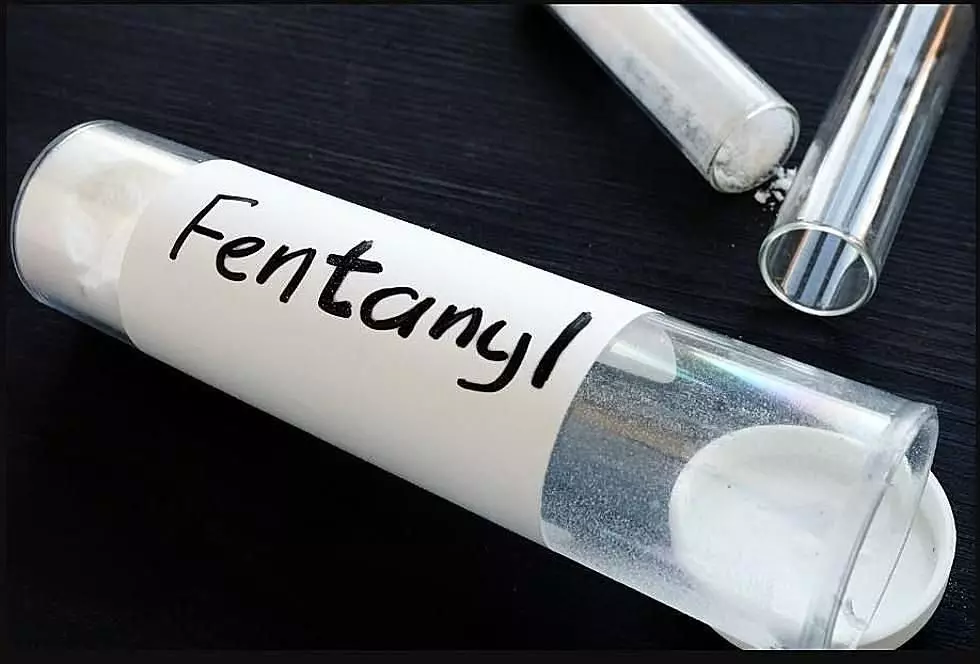
Louisiana’s Opioid Deaths Fall 59 Percent Since 2022, State Data Shows
BATON ROUGE, La. — Fewer Louisiana residents are dying from opioids than at any point in recent years. New figures from the Louisiana Department of Health (LDH) show opioid-related deaths in the state fell 59% between 2022 and 2025, a steeper drop than the 46.2% decline the country saw over that same stretch.
The decline shows up in more than just the death count. Opioid-related emergency room visits dropped 52% over that same period, and the rate of opioid prescriptions written per 100 Louisiana residents fell 10%. LDH is cautioning that the 2025 numbers are still preliminary and could shift once final data comes in.

What the New Numbers Show
LDH didn’t just release death and prescription numbers. The department paired that mortality data with results from the 2023-2024 National Survey on Drug Use and Health, a federal survey SAMHSA runs every year to get a picture of how people 12 and older across the country use drugs, experience mental illness, and access treatment. Louisiana’s sample included 1,920 residents answering 38 separate survey items.
Across those 38 measures, Louisiana landed at an average ranking of 28th out of 51, meaning the state plus Washington, D.C. Middle of the pack overall, but the details tell a more layered story. Louisiana actually placed in the top 20 nationally on 13 individual items, including 2nd for how many residents perceive real risk in using cocaine monthly, 2nd for perceived risk in trying heroin even once or twice, and 5th for the share of residents who got substance use treatment in the past year.

Two numbers from the same survey stand out for the opposite reason. Louisiana ranked 49th for opioid use disorder in the past year and 51st, dead last in the country, for opioid misuse in the past year.
Mental Health Rankings Improve, Too
Louisiana moved up on a second national scorecard, too. Mental Health America’s 2025 State of Mental Health in America report, which pulls from NSDUH along with CDC and federal children’s health survey data, ranked Louisiana 27th out of 51 for overall mental health status and access to care. That’s up nine spots from 36th in the group’s 2023 report. On measures specific to adult mental illness prevalence and care access, Louisiana ranked 15th, and the state cracked the top 20 nationally on seven of the report’s 17 measures, including 5th for the share of adults with mental illness who say they still can’t get the treatment they need.
LDH Secretary Bruce D. Greenstein credited the people doing the work on the ground. “We’re seeing proven progress in behavioral health in Louisiana, and that is something worth celebrating,” he said in the announcement. “The progress we’re seeing, particularly in reducing opioid deaths, shows that Louisiana is moving in the right direction.”
Holly Howat, assistant secretary of LDH’s Office of Behavioral Health, said her office is leaning on this data, along with other sources, to shape a system that’s more “patient-centered, data-driven, and outcome-focused” for residents across the state.
What Acadiana Has Lived Through
For Acadiana, this statewide progress follows years of the numbers moving the wrong way. Lafayette Parish Coroner’s Office data reported by The Advocate shows fatal overdoses in the parish climbed 216% between 2017 and 2021. The parish recorded 136 fatal overdoses in 2021 alone. Of those, 122 were opioid-related, and 102 involved fentanyl.
Lafayette Parish has also shown up as one of the hardest-hit parishes in the state in broader analyses of LDH data, ranking behind only Jefferson and St. Tammany parishes in past opioid-involved death totals. LDH hasn’t released a parish-by-parish breakdown of the new 2022-2025 statewide decline, so it’s not yet clear how much of that improvement is being felt locally in Acadiana.
Where to Find Help in Louisiana
If you or someone you know is struggling, help is available right now. LDH’s Office of Behavioral Health runs the Louisiana Spirit Crisis Counseling Program and maintains a statewide opioid surveillance dashboard that tracks parish-level trends. Anyone in a mental health or suicide crisis can reach the 988 Suicide and Crisis Lifeline by call or text, any hour of the day.
For substance use treatment closer to home, residents can contact LDH’s Office of Behavioral Health directly or ask a primary care provider for a referral to a state-licensed treatment facility.
You May Also Like...
- Fentanyl Drives Surge in Louisiana Overdose Deaths
- Opioid Crisis Hits Home, 1,900 Louisiana Citizens Gone
- Opioid Crisis Triggering Increase In Organ Donations
Cheapest Louisiana Cities to Live In
Gallery Credit: Joe Cunningham
